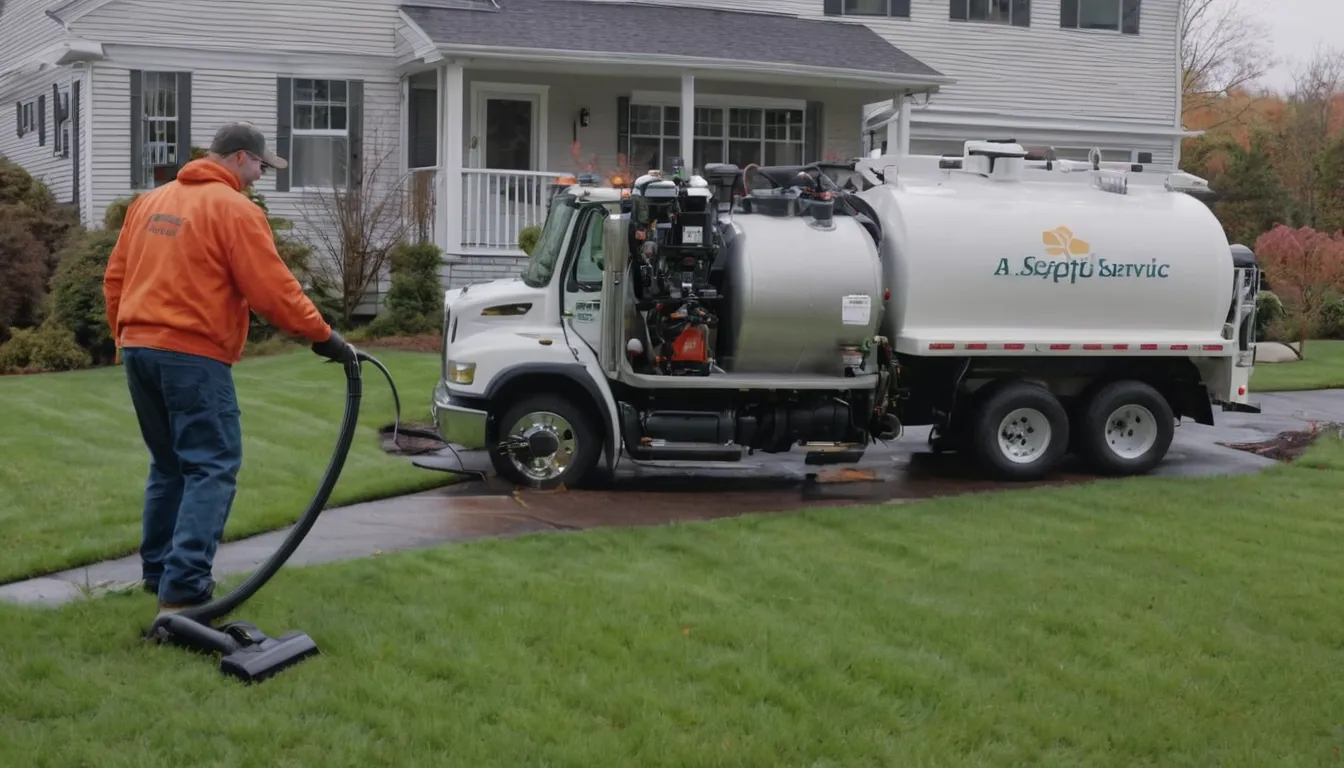
A Septic Problem? Start With These Steps
A septic or sewer problem rarely stays small. A slow drain becomes a gurgling pipe. A damp patch in the yard becomes a smell. Here is a simple way to handle it.
- First: note what you see, hear and smell.
- Next: cut back on heavy water use, such as laundry loads and long showers.
- Then: request an estimate from a provider in our network.
Industriesbazar Septic is a referral service. We do not pump tanks, fix pipes or repair drainfields. We connect homeowners across the New Haven area with independent local providers who do that work. You describe the problem, and the provider explains what the job involves and what it may cost.
Would you rather talk it through? Request a callback to check provider availability. Hours vary by provider, so we do not promise a set time. A sound system also protects your home's value, and a clear service record helps when it is time to sell.
How It Works
Who we are, and who we are not
Industriesbazar Septic is a referral service. That is the whole job. We do not own trucks, we do not dig, and we do not employ the people who show up at your home. Independent providers do the work. They run their own businesses, set their own prices and decide their own schedules.
The process, step by step
- Step 1: You share the basics. What is the problem, and where in the home or yard do you notice it?
- Step 2: Your request is routed to a provider in our network that serves your part of the New Haven area.
- Step 3: The provider contacts you, asks follow-up questions and explains the next move.
- Step 4: You compare the estimate with your own needs and decide. There is no obligation to hire anyone.
If you use the phone option, the call is routed to a provider in our network. Availability varies, so ask the provider about timing.
Why the details matter
A septic system is a long-term part of your property. A rushed or sloppy fix can bring the same trouble back, and that can hurt your home's value. Buyers and inspectors look closely at tanks, lines and drainfields. A job done right, with notes on what was found and what was done, makes a stronger story for the next owner.
Ask each provider for a written quote. Ask what is included, what could change the price, and whether they can document the work. Costs vary by job, so a written quote is your strongest protection against surprises.
Where Providers Work
Providers in our network serve New Haven and communities across the New Haven area. Coverage depends on the provider, so the first thing to confirm is simple: does this provider serve your address?
Use this short list when you reach out.
- Give your town or neighborhood.
- Say whether you have a septic tank, a sewer connection, or both.
- Mention any private well on the property.
- Note when the problem started.
That is enough for a provider to decide if the job fits their route. Some providers handle only pumping. Others also do sewer line work, drainfield repair, or water well service. The request form helps match you with the right kind of provider.
If you would rather speak with someone, Request a callback to check provider availability. Hours vary by provider. For a backed-up system or a strong sewage smell, say so right away. Many providers can respond quickly to urgent situations, though no timing is promised.
Local Conditions That Affect Septic and Sewer Systems
Cold winters and frost
Cold, snowy winters put stress on buried tanks and pipes. Frost can push on shallow lines. Thaw cycles then shift the soil, and joints can loosen.
Spring snowmelt
Melting snow can saturate a drainfield. Wet soil cannot absorb more water, so slow drains and soggy patches often show up in spring. A recent pumping can give the tank more room.
Coastal storms
Heavy rain and storm surge can flood yards and overload systems. After a big storm, watch for gurgling, backups and standing water over the drainfield.
Older homes, older pipes
Older housing stock often has older sewer lines. Clay, cast iron and aging joints can crack or collect roots. A camera inspection can show what is really down there.
Basements and stone or block foundations
A full basement puts floor drains and laundry close to the bottom of the plumbing system. Stone and block walls can let in groundwater, which adds load to the system and hides leaks.
Multi-family and Cape Cod style homes
More people in a home means more water in the tank. Multi-family properties often need pumping on a tighter schedule. Compact Cape Cod style homes may have small lots, so tank access and drainfield space matter.
Private wells nearby
Many properties with septic also have a private well. If a system fails, ask whether the provider offers water well service or can point you to someone who does. Keeping the two apart protects drinking water.
A quick seasonal checklist
- Fall: schedule pumping if it is due, and mark the tank lid before snow.
- Winter: keep vehicles off the drainfield.
- Spring: watch for wet spots and slow drains.
- After storms: check low drains and the yard.
Get Started Today
Ready to take the first step? Fill out the request form with a few details about your septic or sewer problem. A provider in our network will follow up with the next step and an estimate. There is no obligation.
For a faster conversation, Request a callback to check provider availability. Remember that Industriesbazar Septic only refers you. The independent provider handles the work and sets the terms.